Understanding Spore Trap Testing for Mold in Chesapeake Beach Properties
Spore trap testing isn’t just a diagnostic tool—it’s the foundation of effective mold remediation. In Chesapeake Beach, where coastal humidity fuels hidden growth, this method helps us pinpoint mold types, spore counts, and the scope of contamination before we lift a finger.
What Is Spore Trap Testing and How Does It Work?
Spore trap testing captures airborne mold spores on a sticky substrate using a calibrated air pump. The sample is then sent to a lab for microscopic analysis, identifying genus, species, and spore concentration.
Unlike surface swabs, this method evaluates the air you breathe, revealing hidden mold in walls, HVAC systems, or crawl spaces—common in older homes near North Beach or Owings.
Why Chesapeake Beach Homes Need Precise Spore Analysis
Our region’s high humidity and seasonal storms create ideal conditions for mold. Spore trap testing distinguishes between harmless outdoor spores and dangerous indoor amplification, which often spikes after water damage in areas like Prince Frederick or Sunderland.
Without lab-backed data, remediation can miss the mark. We’ve seen DIY fixes in Dares Beach or Huntingtown mask problems, only for mold to return within months.
Elevated spore counts in air samples often indicate hidden colonies behind drywall or under flooring. Ignoring this can lead to structural damage and health issues.
Spore Trap Testing vs. Other Mold Detection Methods
Each method has strengths. Spore traps excel at assessing airborne contamination, while surface testing (tape lifts, swabs) targets visible growth. For comprehensive insights, we often pair them—especially in basements or attics where mold spreads unseen.
| Method | Best For | Limitations |
|---|---|---|
| Spore Trap (Air Sampling) | Detecting airborne spores and hidden mold | Doesn’t identify source location |
| Tape Lift (Surface) | Identifying mold on surfaces | Limited to visible areas |
| Swab Test | Targeted sampling of suspected mold | Small sample area, less representative |
| ERMI/Dust Test | Historical mold exposure assessment | Not real-time; requires lab PCR analysis |
The Step-by-Step Process of Professional Spore Trap Testing
We start with a visual inspection to identify moisture sources—leaky pipes, poor ventilation, or flood damage common in Lower Marlboro or Shady Side. This guides where to place air pumps for accurate results.
Samples are collected for 5–10 minutes per location, following EPA and AIHA protocols. Outdoor control samples are critical to compare indoor spore levels against natural background counts.
Interpreting Lab Results: What the Numbers Mean
Lab reports detail spore counts (CFUs/m³) and genera like Aspergillus, Penicillium, or Stachybotrys. High indoor counts of water-damage indicators (e.g., Chaetomium) signal active growth, often tied to past flooding in areas like Deale or Galesville.
We compare indoor vs. outdoor ratios. A 2:1 or higher indoor ratio for certain spores typically warrants remediation. Context matters—occupant health, property age, and recent water events all factor into our recommendations.
Stachybotrys (black mold) and Trichoderma often indicate chronic moisture. Their presence in air samples usually triggers immediate action.
How Spore Data Guides Our Remediation Strategy
Test results dictate containment levels, PPE requirements, and whether affected areas (like crawl spaces in Benedict or attics in Marlboro Meadows) need full remediation or targeted treatment.
For example, elevated Aspergillus in HVAC systems may require duct cleaning and HEPA filtration, while basement mold often demands moisture control upgrades alongside removal.
Preventing Recurrence After Remediation
Post-remediation verification (PRV) testing confirms success. We retest air and surfaces to ensure spore counts return to safe levels, especially critical in commercial spaces or multi-unit properties near Upper Marlboro.
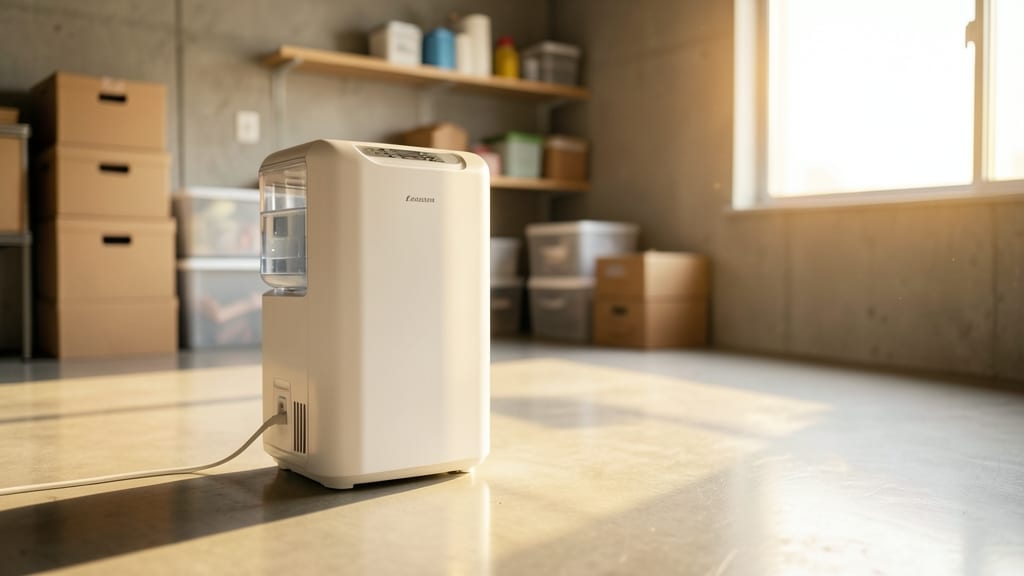
Long-term prevention hinges on moisture control: dehumidifiers in crawl spaces, proper grading around foundations, and HVAC maintenance. In Chesapeake Beach’s climate, proactive measures save thousands in future damage.
Mold Prevention Checklist
- Maintain indoor humidity below 50% with dehumidifiers
- Inspect and repair roof leaks, gutters, and downspouts annually
- Ensure proper ventilation in bathrooms, kitchens, and attics
- Use mold-resistant materials in basements and crawl spaces
- Schedule annual HVAC duct inspections and cleanings
When to Call a Professional for Spore Trap Testing
Visible mold, musty odors, or unexplained health symptoms (respiratory issues, allergies) are clear signals. In Chesapeake Beach, we also recommend testing after water damage, before real estate transactions, or if you’re in a high-risk area like Aquasco or Tilghman Island.
DIY test kits lack the precision of professional equipment and lab analysis. Our team uses industry-grade pumps and follows strict chain-of-custody protocols to ensure defensible results.
How to Prepare for Professional Spore Trap Testing
A few simple steps ensure accurate results and a smooth process.
- 1Close Windows and Doors
Keep all exterior doors and windows closed for at least 12 hours before testing to prevent outdoor spores from skewing results.
- 2Avoid Cleaning or Disturbing Mold
Don’t attempt to clean or remove mold yourself. Disturbing colonies can release spores, increasing airborne counts and risking cross-contamination.
- 3Turn Off HVAC Systems
Shut down heating or cooling systems 1–2 hours prior to sampling. This prevents spores from being circulated or filtered out, ensuring a true snapshot of air quality.
- 4Clear Sampling Areas
Remove pets, children, and obstacles from rooms where samples will be taken. Technicians need 3–4 feet of clear space to set up equipment.
- 5Provide Access to Problem Areas
Unlock basements, attics, crawl spaces, or utility closets. Hidden mold often thrives in these spaces, especially in homes near Croom or Eagle Harbor.
Frequently Asked Questions
How accurate is spore trap testing compared to other methods?
Spore trap testing is highly accurate for airborne mold assessment but should be paired with surface or dust tests for a full picture. In Chesapeake Beach, we often use it alongside moisture mapping to locate hidden sources in walls or under flooring.
Can spore trap testing detect mold behind walls?
Yes—elevated spore counts in air samples often indicate hidden colonies. If lab results show high levels of water-damage spores (e.g., Stachybotrys), we use thermal imaging or borescopes to confirm the source, common in older homes from Hughesville to Calvert Beach.
Is spore trap testing safe for my family and pets?
Absolutely. The process is non-invasive and doesn’t release additional spores. We use HEPA-filtered pumps and follow strict protocols to minimize disturbance, ensuring safety for occupants and pets in areas like St. Leonard or Rosaryville.
How often should I test for mold in Chesapeake Beach?
Annual testing is wise, especially if you’ve had past water damage or live in a high-moisture area. After major storms or flooding—common in communities like Dares Beach or Lower Marlboro—immediate testing can prevent long-term issues.
What’s the difference between spore trap and ERMI testing?
Spore traps measure current airborne spores, while ERMI (Environmental Relative Moldiness Index) uses dust samples to assess historical mold exposure. We use spore traps for active remediation decisions and ERMI for broader environmental assessments.
Do I need spore trap testing before selling my home?
While not always required, it’s a smart investment. Buyers in Chesapeake Beach often request mold inspections, and proactively addressing issues—especially in basements or crawl spaces—can streamline the sale process and avoid negotiations.